Paddington builders: permits and waste rules for renovators
Posted on 26/06/2026
If you are planning a renovation in Paddington, the paperwork can feel like the annoying bit before the "real" work begins. But permits and waste rules matter just as much as tiles, timber, or paint. Get them wrong and you can end up with delays, fines, awkward neighbour complaints, or a skip that never should have been there in the first place. Get them right, and the job usually runs calmer, cleaner, and cheaper in the long run.
This guide explains Paddington builders: permits and waste rules for renovators in plain English. It covers when permissions may be needed, how waste should be handled, what renovators often miss, and how to keep a project moving without stepping on the wrong side of local requirements. If you are also comparing renovation timing with moving plans, you may find the broader context in our home buying and selling guide in Paddington useful too.
Truth be told, most renovation stress is avoidable. A bit of planning early on saves a lot of headache later. And yes, even the dust and debris need a plan.
Why Paddington builders: permits and waste rules for renovators Matters
Paddington is a busy part of west London, with a mix of mansion blocks, converted flats, terraces, offices, and compact homes that often sit close together. That mix makes renovation logistics a bit more sensitive than in a looser suburban setting. A builder's access route, a skip, a delivery lorry, or a pile of rubble on the pavement can quickly become a neighbourhood issue.
For renovators, the two biggest compliance themes are usually permissions and waste handling. Permissions can affect what you are allowed to change, especially if your building is leasehold, listed, or in a conservation setting. Waste handling matters because renovation debris is not just "stuff to get rid of"; it has to be stored, transported, and disposed of responsibly.
Why does this matter so much? Because renovations are rarely isolated. One small kitchen strip-out can affect hallways, shared entrances, loading bays, lifts, neighbours, and even the building manager. A noisy skip delivery at the wrong hour can sour relations fast. And in a place like Paddington, relationships with neighbours and managing agents are not a side detail. They are part of the job.
If you are already thinking ahead to how the property will look and function after the dust settles, it can help to read around the local property context too, such as whether Paddington is the right place for you and the wider market view in best practices for investing in Paddington real estate.
Expert summary: In Paddington, the safest renovation is the one planned around access, permissions, and debris from the start. If those three are sorted early, the rest of the project is usually much easier to manage.
How Paddington builders: permits and waste rules for renovators Works
The practical process is usually simpler than people expect, but there are a few layers to it. First comes the building survey or project scope. Then comes checking whether the works are internal cosmetic changes, structural changes, or anything that affects shared parts of the building. After that, the waste plan needs to be set out before demolition starts, not after the pile grows in the hallway.
1. Start with the work type
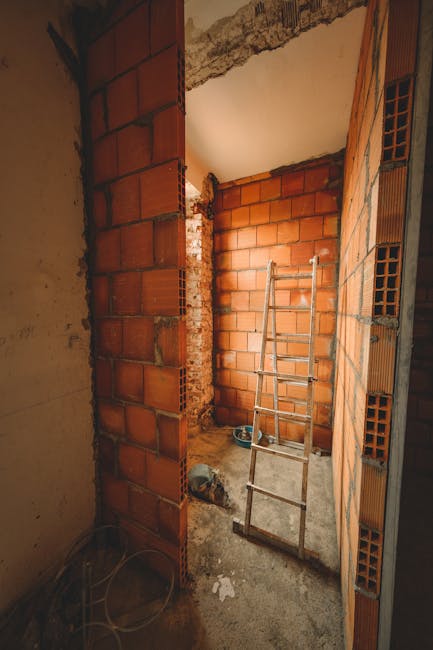
Not every renovation needs formal permission, but many do need some form of approval from a landlord, freeholder, managing agent, building control, or local authority depending on the works. Replacing a tired worktop is one thing. Moving a load-bearing wall or changing drainage is another. The difference is huge, even if the room still looks the same size once the dust clears.
2. Check building and access rules early
In Paddington, flats often have building rules on delivery times, lift protection, floor coverings, contractor sign-in, parking, and noisy works. These rules are not just red tape; they help keep a building functioning while work happens. It is far easier to ask about them early than to discover them when a plasterboard delivery is stuck on the pavement at 8:15 a.m.
3. Plan waste before the first wall comes down
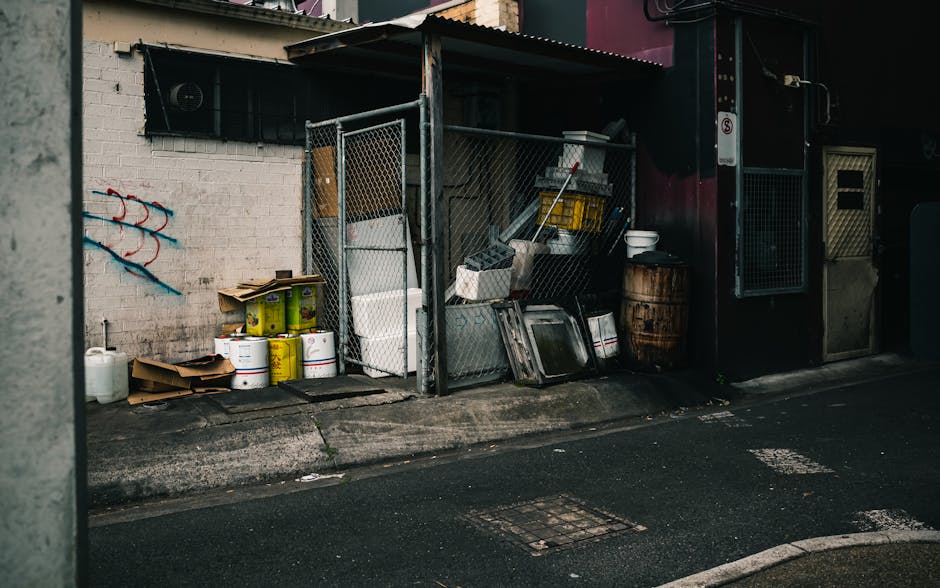
Renovation waste can include plasterboard, timber, tiles, old fixtures, packaging, metal, and sometimes heavier items like radiators or bath fittings. The right disposal route depends on the type and volume of waste. A general household bin is not the answer. Nor, to be fair, is "we'll sort it later" when there is a growing mountain of rubble in a wet room.
4. Separate clean waste from mixed waste
Clean, sorted waste is easier to remove responsibly and often simpler to manage on site. Mixed waste is more awkward and may cost more to dispose of because it needs further sorting. Builders usually try to keep recyclable or reusable material apart from general rubble, but that only works if the plan is in place from day one.
5. Keep records and receipts
Good paperwork is not glamorous, but it matters. Waste transfer notes, skip hire records, contractor details, and permission approvals can be invaluable if questions arise later. For larger or more formal projects, that paper trail is part of proving the work was handled properly.
Key Benefits and Practical Advantages
Doing this properly gives you more than compliance. It makes the renovation easier to live with, easier to manage, and often easier to sell or let afterwards. The practical benefits are very real.
- Fewer delays: No need to stop work while chasing permission or replacing an unsuitable waste plan.
- Lower risk of complaints: Neighbours are less likely to object when access and rubbish are managed well.
- Cleaner site conditions: A tidy renovation site is safer and generally more productive.
- Better contractor coordination: Builders can work faster when they know where materials go and how waste leaves the building.
- Reduced avoidable costs: Fixing compliance mistakes usually costs more than preventing them.
- Better end result: Renovations with proper preparation tend to finish more smoothly, with fewer unpleasant surprises.
There is also a less obvious benefit: confidence. Once the permissions and waste side are under control, you can focus on the renovation itself. That sounds small, but it is a massive relief when you are already juggling trades, suppliers, and maybe a family trying to live around the work.
If the project is tied to a rental turnover or end-of-tenancy refresh, you might also find it helpful to look at our end of tenancy cleaning Paddington page alongside the renovation planning, because the handover stage often matters as much as the build itself.
Who This Is For and When It Makes Sense
This guidance is useful if you are a homeowner, leaseholder, landlord, managing agent, or builder working in Paddington. It is especially relevant if your job involves shared hallways, restricted access, noisy demolition, or removal of bulky waste.
You probably need to pay close attention if you are:
- removing a kitchen or bathroom
- changing plumbing, electrics, or heating
- knocking through rooms or altering walls
- working in a flat with shared entrances or a lift
- installing new flooring that creates heavy debris
- disposing of old carpets, fixtures, or furniture
- renovating a rented property that must be returned in clean condition
If you are only repainting a room and swapping a few fittings, the compliance burden is usually lighter. But even then, waste still needs handling carefully. Bags of old skirting, broken tiles, and empty adhesive tubs can stack up quickly. One little job can turn into a proper pile before you know it.
For Paddington properties with older finishes or delicate fabrics, the aftermath of renovations often links into cleaning and restoration too. A practical example is when a builder leaves a fine layer of dust across soft furnishings; that is where services such as upholstery cleaning Paddington can be relevant after the work is complete.
Step-by-Step Guidance
Here is a simple sequence you can follow. It is not fancy, but it works.
- Define the scope of work. Write down exactly what is changing: walls, flooring, plumbing, electrics, joinery, or finishes. The clearer the scope, the easier the permission checks.
- Ask who controls the building rules. In a flat, that may be the freeholder, managing agent, or landlord. In a house, the main focus may be local works rules and neighbour impact.
- Check whether any approval is needed before work starts. Structural work, changes to shared services, or significant external alterations often need formal sign-off. Do not assume internal means free-and-clear.
- Plan your access and delivery schedule. Decide when materials arrive, where they are stored, and how waste leaves the site. Morning deliveries can be efficient, but only if the building allows them.
- Choose the waste route. Decide whether you need a skip, a licensed waste carrier, or a series of smaller removals. For a compact Paddington street, a full skip may be impractical or need separate permissions.
- Separate waste streams on site. Keep plasterboard, timber, metals, packaging, and general rubble as organised as possible. It saves time later.
- Protect common areas. Use floor coverings, corner guards, and dust protection around entrances, lifts, and hallways. This is one of those tiny details that saves a lot of awkward conversations.
- Keep a tidy exit routine. Remove waste regularly rather than waiting until the end. A clean site is safer and usually smoother for everyone involved.
- File paperwork as you go. Save approvals, waste receipts, and contractor notes in one place.
- Do a final check before handover. Look for leftover debris, broken packaging, dust trails, and anything that could trigger a complaint after the builders have gone.
If you are working across several rooms or combining renovation with deep cleaning, a broad service overview can help you map the finish stage of the project. See services overview for a sense of how post-work cleaning and property maintenance often fit together.
Expert Tips for Better Results
A few practical habits make a bigger difference than people expect. These are the sort of things seasoned renovators learn the hard way, then never forget.
- Ask about permits before ordering materials. It is frustrating to have cabinets or flooring delivered before you have confirmation that the work can start.
- Assume access will be tighter than you think. Paddington streets, flats, and communal entrances can be awkward during busy hours. Build in slack time.
- Use clearer labels on waste piles. "Wood," "metal," "rubble," and "reuse" are simple labels, but they keep the site far more organised.
- Protect soft furnishings and carpets. Dust gets everywhere. If you have nearby furniture that is staying put, cover it properly.
- Confirm builder insurance and safety practices. Good contractors should be able to explain how they manage risk and disposal. If they are vague, that is a clue.
- Do not let debris sit overnight if avoidable. It attracts complaints, and sometimes pests too. Not glamorous, I know.
- Keep neighbours informed. A simple note about likely noisy days or waste collection can reduce tension a lot.
One small but valuable habit: take photos before, during, and after. Not for drama. Just for clarity. If there is ever a question about damage, debris, or the condition of a shared area, those photos become very useful.
For projects where old carpets, rugs, or soft furnishings are being removed as part of a refit, this article on Westminster Council rules on mattress and carpet disposal is a helpful nearby reference point for the disposal side of things.

Common Mistakes to Avoid
Renovation mistakes are rarely dramatic at the start. They usually begin as small assumptions. Then suddenly you are three weeks in, the hall is dusty, and someone is asking where the rubble went.
- Assuming all internal work is exempt. Internal work can still need approval if it affects structure, services, lease conditions, or shared areas.
- Leaving waste planning too late. Once demolition starts, waste builds quickly. If you have no removal route, it becomes a problem fast.
- Using the wrong disposal method. Mixed renovation waste, bulky items, and sharp debris should not be treated like normal household rubbish.
- Ignoring building rules. Delivery hours, lift protection, and contractor sign-in procedures may seem annoying, but ignoring them usually makes matters worse.
- Overfilling shared bins or pavements. This is one of the quickest ways to upset neighbours or create enforcement trouble.
- Not protecting common areas. A damaged foyer or dirty lift can turn a small project into a larger repair bill.
- Forgetting the finish stage. Builders leave behind dust, residue, and packaging. It is rarely perfect on the first pass. Rarely.
Another subtle mistake is not thinking about how the property will be used after renovation. A freshly finished flat still needs a clean, safe handover. If the work has left odours, marks, or embedded dust, it can undermine the result. That is where something like domestic cleaning Paddington can become part of the wrap-up rather than an afterthought.
Tools, Resources and Recommendations
You do not need a huge toolkit to manage compliance well, but you do need a few basic systems.
| Need | Useful approach | Why it helps |
|---|---|---|
| Permission tracking | One folder for approvals, emails, and notes | Stops important details getting lost |
| Waste tracking | Waste notes, removal dates, and contractor details | Makes disposal easier to evidence later |
| Site protection | Dust sheets, floor coverings, tape, and corner guards | Protects shared areas and finished rooms |
| Delivery control | A written schedule with buffer time | Reduces missed slots and access issues |
| End-of-project clean | Professional cleaning or a detailed final clean plan | Helps the property feel truly finished |
A simple shared spreadsheet can be enough for smaller jobs. For bigger renovations, a project folder with photos, receipts, and key contact details works better. Keep it boring and organised. Boring is good here.
Some renovators also coordinate with post-build deep cleaning, carpet care, or residue removal, particularly in homes close to busy roads or transport hubs. If your property needs a final reset after the builders leave, a local page like best carpet cleaning near Paddington Station W2 may be useful background reading for the clean-up stage.
Law, Compliance, Standards, or Best Practice
This is the area where careful wording matters. Renovation permissions and waste duties can depend on the type of property, the contract structure, the building's own rules, and the local enforcement environment. Rather than assuming a single blanket rule, the safest approach is to treat compliance as a checklist of responsibilities.
In practice, that usually means:
- checking leasehold or landlord conditions before starting work
- confirming whether structural or service-related alterations need formal approval
- making sure contractors understand site rules and safety requirements
- using lawful waste removal routes rather than ad hoc disposal
- keeping evidence of who removed the waste and when
- making sure the site is left tidy and safe at each stage
Best practice is often stricter than the bare minimum. That is not overkill; it is just sensible in a dense area like Paddington. Shared buildings are sensitive to noise, dust, access issues, and leftover waste. A professional-standard approach is usually the cheapest one once all the hidden costs are counted.
If your project involves health and safety planning for contractors, common parts, or site tidiness, the health and safety policy page is a helpful signal of the kind of standards a good service provider should be able to explain clearly.
Options, Methods, or Comparison Table
Renovators in Paddington generally have a few practical ways to handle waste and compliance. The right choice depends on scale, access, and how much disruption you can tolerate.
| Method | Best for | Pros | Trade-offs |
|---|---|---|---|
| Small-load removal | Light refurbishments and gradual clear-outs | Flexible, less intrusive | Can take longer across multiple trips |
| Skip hire | Moderate to large demolition waste | Convenient for bigger jobs | Space, access, and permission issues may apply |
| Licensed waste collection | Mixed debris or where skips are awkward | Good for tight urban access | May need careful booking and sorting |
| Phased disposal | Projects running over several weeks | Controls mess and avoids build-up | Requires good coordination |
For many Paddington flats, phased disposal or licensed collection is more realistic than a huge skip parked outside. That said, every property is different. A ground-floor renovation on a wider road has different logistics from a top-floor flat with a tiny service entrance.
Case Study or Real-World Example
Imagine a two-bedroom Paddington flat being refurbished before a new tenancy. The owners want to replace the kitchen, refresh flooring, and dispose of old fixtures quickly. At first, the plan looks straightforward: builders arrive on Monday, rubbish leaves on Friday, job done.
Then the building manager asks for delivery times, lift protection, contractor details, and proof of waste removal arrangements. The owners realise they also need to keep the communal hallway clean and avoid blocking the entrance during school-run hours. The old kitchen units are heavier than expected, and the broken tiles create more debris than the team had guessed. Classic.
Instead of trying to solve everything on the fly, they pause for one afternoon and reorganise the job:
- the builder confirms the scope and confirms no structural changes are involved
- deliveries are shifted to quieter times
- the hallway and lift are protected before demolition begins
- waste is removed in phases rather than piled up
- the final week is reserved for dust removal and surface cleaning
The result is not dramatic, just smooth. No complaints. No overflow waste. No surprise access conflict. And that, honestly, is what good renovation management looks like in real life. Not glamorous. Just calm.
For properties that end up with dust on fabrics, hallway marks, or residue on upholstery after the build, a service like office cleaning Paddington may not be the right fit for a home, but it shows how post-project cleaning support can be matched to the property type when needed. In a residential setting, the same logic applies with the right domestic or house cleaning approach.
Practical Checklist
Use this before work starts, and again near handover.
- Confirm the exact scope of renovation work
- Check whether landlord, freeholder, or managing agent approval is needed
- Review building rules on access, deliveries, noise, and shared areas
- Agree waste handling before demolition begins
- Choose the right disposal method for the amount and type of waste
- Protect floors, lifts, and common parts
- Set working hours and delivery windows clearly
- Keep photos and paperwork of approvals and waste removal
- Arrange a final clean and debris sweep
- Walk through the property before sign-off
If you want an additional point of reference for property handover, build quality, and aftercare, the local about us page gives a sense of the service mindset behind careful, detail-driven work. Not a compliance document, but useful in understanding the standards a good provider should live by.
Conclusion
Renovating in Paddington is perfectly doable, but it works best when permissions and waste are treated as part of the project, not an annoying extra. The properties here are often close together, access can be tight, and neighbours notice when things are handled badly. That means a clean permit check, a sensible waste plan, and a tidy site are not "nice to have" items. They are the foundation.
Whether you are updating a flat for your own use, preparing a rental, or improving a property before sale, the same principle holds: plan early, keep records, respect the building, and remove waste properly. Do that, and the renovation feels far less stressful. You will probably still have dust in the corners for a while. That is just life. But the big problems? Much less likely.
Get a free quote today and see how much you can save.