Communal area Cleaning in Paddington
If you manage a block of flats, a mixed-use building, or a converted townhouse in Paddington, keeping shared spaces clean is about more than appearances. It affects how residents feel about their building, how visitors experience it, and how well the property is looked after over time. Professional Communal area Cleaning in Paddington helps maintain a tidy, welcoming environment across hallways, stairwells, lobbies, lifts, landings, bin stores, and other shared parts of a building.
Paddington is a busy, well-connected part of London with a wide mix of properties. You’ll find period conversions, modern apartment developments, mansion blocks, managed office buildings, and serviced accommodation close to transport hubs, canals, and local amenities. Each type of property has different cleaning needs, and shared areas often see a constant flow of foot traffic. That means dust, fingerprints, scuffs, litter, and marks can build up quickly if the cleaning routine is not reliable and detailed.
Our local communal cleaning service is designed for real buildings and real usage patterns. Whether you’re a property manager, landlord, resident association member, facilities team, or commercial occupier, the aim is simple: keep communal spaces presentable, hygienic, and easy to maintain. Request a free quote if you want a tailored cleaning schedule that suits the building, the number of occupants, and the way the space is used.

Why communal cleaning matters in Paddington
Shared areas are often the first place people notice when they enter a building. A clean hallway or entrance can make a property feel cared for, while neglected stairwells or dusty landings can quickly create a poor impression. In Paddington, where many buildings serve busy households, commuters, short-let visitors, and office users, communal spaces can gather dirt faster than expected.
Good upkeep also supports the day-to-day experience of everyone using the building. Residents don’t want to come home to dirty floors, unpleasant odours, or overflowing bins. Businesses and landlords want common areas to reflect a professional standard. Regular communal cleaning helps reduce the spread of grime, improves odour control, and makes routine inspections easier.
It also helps protect surfaces and fixtures. Dust and debris can wear down flooring, mark skirting boards, dull stainless steel, and leave a build-up on handrails and touchpoints. With Communal area Cleaning in Paddington, the focus is not only on appearance but also on preserving the condition of the building over time.
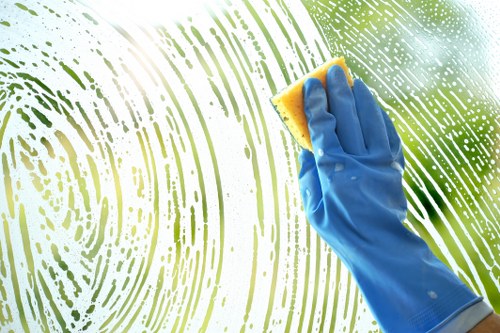
What our communal area cleaning service includes
Every property is different, so a good service should be flexible. Some buildings need a simple weekly clean, while others require several visits a week because of heavy footfall. A thorough communal cleaning plan can include a mix of recurring tasks and seasonal deep-cleaning support.
Typical tasks may include:
- Cleaning entrance lobbies, vestibules, and reception areas
- Vacuuming and mopping hallways, corridors, staircases, and landings
- Dusting ledges, skirting boards, railings, and accessible surfaces
- Cleaning lift interiors, call buttons, and door surrounds
- Wiping hand contact points such as door handles, bannisters, switches, and push plates
- Emptying communal bins and checking bin areas for loose litter
- Removing cobwebs from corners and high-access points where suitable
- Spot cleaning marks on walls, doors, glass panels, and mirrors
- Maintaining shared entrances and internal door glass
Depending on the property, additional tasks may be added for bike stores, shared laundry rooms, parcel areas, service corridors, or basement access spaces. Book your service now if you want a routine that reflects the actual needs of your building rather than a one-size-fits-all checklist.
Buildings and property types we regularly clean
Paddington has a varied property landscape, which makes local experience especially valuable. A communal space in a Victorian conversion behaves very differently from a modern apartment block with lifts, secure entry systems, and internal refuse storage. Access arrangements, parking limitations, resident schedules, and building layouts all affect how the cleaning is carried out.
We commonly support:
- Purpose-built apartment blocks
- Converted period houses and mansion blocks
- Managed residential developments
- Mixed-use buildings with flats above shops or offices
- Serviced accommodation and aparthotels
- Commercial premises with shared entrances or corridors
- Blocks with concierge or managing-agent oversight
Each of these spaces benefits from a slightly different approach. For example, older buildings often have stair carpets, narrow landings, and ornate finishes that need care around edges and corners. Modern developments may require attention to lifts, polished floors, stainless steel surfaces, and secure access routes. A local team offering communal area cleaning in Paddington can adapt to those conditions without slowing down the building’s daily routine.
Why choose a local Paddington cleaning team
Choosing a local service has practical advantages. Paddington is busy, with traffic, visitor movement, and regular service access issues that can affect cleaning schedules. A local team is more likely to understand these pressures and work around them efficiently. That matters when cleaners need to arrive at set times, coordinate with residents, or avoid peak footfall in shared spaces.
Another advantage is responsiveness. If a building has a temporary issue such as excess dirt after maintenance work, a blocked bin area, or additional cleaning requirements following a resident move-in or move-out, a local provider can usually react more quickly. This is particularly useful for managing agents and landlords who want reliable support without long delays.
Paddington property types also present access challenges that are best handled by people familiar with the area. Limited street parking, controlled entry systems, busy delivery windows, and narrow internal staircases can all affect how cleaning is planned. A practical, local approach helps ensure the service runs smoothly and causes minimal disruption.

How the service works
Our process is designed to be straightforward. The first step is usually to understand the building, the frequency of use, and the standard of presentation expected. From there, a tailored cleaning plan can be arranged that fits the property’s layout and schedule.
Here is how the service typically works:
- Initial discussion – We learn about the building, the communal spaces, and any specific concerns.
- Site assessment – The property layout, access points, and cleaning frequency are considered.
- Cleaning schedule – A routine is set for weekly, bi-weekly, or more frequent visits, depending on need.
- Task list – The agreed work is recorded so everyone knows what is included.
- Regular cleaning visits – Cleaning is carried out at the agreed times with attention to the common areas that matter most.
- Review and adjustment – As building use changes, the schedule can be refined.
This is especially useful for blocks with changing occupancy, new residents, or seasonal changes in traffic. If, for example, a building sees more visitors during certain months or has occasional contractor access, the service can be adapted to match. That flexibility is one of the reasons many customers look for Communal area Cleaning in Paddington rather than a basic ad hoc clean.
What a dependable cleaning routine should achieve
A well-run communal cleaning service is not just about removing visible dirt. It should create consistency. Residents should know what to expect, managers should be able to rely on the schedule, and the building should feel orderly from one visit to the next. That means paying attention to details like corners, edges, touchpoints, and the areas where dirt tends to accumulate unnoticed.
It should also support hygiene. Shared building surfaces are handled daily by many people, so cleaning door handles, lift buttons, and handrails matters. In busy properties around Paddington, this can make a real difference to how fresh and well-kept the communal spaces feel.
Finally, a dependable routine should respect the building. Cleaners should work carefully around resident belongings, posted notices, security systems, and fragile finishes. Professional communal cleaners understand how to work quietly and neatly in occupied properties.
Cleaning for residential and commercial customers
Paddington is not only residential. It has office buildings, managed workspaces, hotels, serviced apartments, retail-adjacent properties, and mixed-use developments. That means communal cleaning needs can vary widely even within the same street or block.
Residential customers usually want clean hallways, stairwells, bin stores, and entrance areas that feel pleasant and safe. For residential blocks, consistency is often the main priority. Residents need regular, reliable upkeep so shared areas do not become a source of complaints or frustration.
Commercial customers tend to focus on presentation, professionalism, and smooth access. A clean shared entrance or corridor can support visitor confidence and make a building feel well managed. Offices and business premises may also need cleaning outside normal trading hours so staff and visitors are not disturbed.
Where buildings serve both residential and commercial users, the cleaning plan needs to balance different expectations. A mixed-use building might need more frequent touchpoint cleaning, stronger bin area maintenance, and a flexible schedule to accommodate deliveries, staff movement, and resident access.
Common challenges in Paddington buildings
Local property managers and residents often deal with the same recurring issues. Paddington is active, central, and well used, so communal areas can become untidy quickly. There may be mud and debris brought in from outside, marks from pushchairs or luggage, and extra dust from nearby building activity or street traffic.
Some common issues include:
- Heavy foot traffic in entrance halls and corridors
- Dust settling in stairwells and around ventilation points
- Finger marks on glass, railings, and lift panels
- Litter or odours in shared bin storage areas
- Scuffed walls and floor marks near busy corners
- Limited storage for cleaning equipment in smaller buildings
- Restricted access times due to resident routines or security systems
- Parking and loading challenges for contractors
These are exactly the kinds of problems a local communal cleaning team can help manage. Instead of reacting only when a problem becomes noticeable, regular upkeep keeps things under control before they become harder to resolve.
How often should communal areas be cleaned?
There is no single answer that suits every building. A small block with light use may only need weekly cleaning, while a busy apartment building near Paddington Station or a mixed-use property with frequent visitors may need multiple visits each week. The right frequency depends on how many people use the building, the type of flooring and finishes, and how quickly dirt builds up.
As a practical rule, high-contact areas usually need the most attention. Entrances, lift buttons, stair handrails, and bin stores often require more frequent cleaning than less-used spaces. Buildings with pets, short-term lets, or a high level of turnover may also need extra attention to keep shared areas fresh.
If you are unsure what schedule is right, it helps to start with an assessment of the property. From there, the cleaning plan can be adjusted until it matches the actual usage pattern rather than a guess. Contact us today to discuss a routine that suits your building’s activity.
What affects the price of communal cleaning
Customers often want to understand what drives the cost of communal area cleaning. While exact prices depend on the building and the service level required, there are several common factors that influence the quote.
- Size of the property – More floors, corridors, and entrances usually mean more cleaning time.
- Frequency of visits – Weekly cleaning will differ from several visits per week.
- Type of surfaces – Carpets, hard floors, glass, stainless steel, and delicate finishes each need different care.
- Access arrangements – Secure entry systems, restricted hours, and key handling can affect scheduling.
- Condition of the areas – A building needing restorative cleaning may require extra time initially.
- Additional spaces – Bin stores, bike rooms, laundry rooms, and basements may add to the work involved.
- Location logistics – Parking and loading access in busy Paddington streets may also influence planning.
A proper quote should reflect the real needs of the building, not a generic package. That is why many customers prefer a site-specific approach for communal area cleaning in Paddington. It gives a clearer picture of what is included and helps avoid misunderstandings later.
Preparation checklist for residents and property managers
A little preparation can make cleaning visits smoother and more effective. You do not need to do much, but there are simple steps that help the cleaning team work efficiently and safely.
Before the first visit
- Make sure access arrangements are confirmed
- Identify any restricted areas, alarm systems, or entry codes
- Remove personal items from shared spaces where possible
- Let residents know the preferred cleaning times if needed
- Point out any fragile surfaces or problem areas
For ongoing visits
- Keep bin areas accessible
- Report spills or damage quickly
- Ensure cleaning notices or instructions are up to date
- Tell the team about upcoming maintenance, moving days, or contractor work
These simple steps help the service stay consistent and allow the cleaners to focus on the work itself rather than dealing with avoidable delays. Clear communication is especially useful in occupied buildings where different people share the same spaces.
Why shared-space hygiene supports better property management
Clean communal areas do more than improve appearance. They can also make a building easier to manage. Regular cleaning helps staff or managing agents spot maintenance issues sooner, because loose fittings, marks, leaks, broken fixtures, and waste problems are less likely to be hidden under dirt.
It can also reduce complaints. When residents see that the shared areas are cared for, they are more likely to feel positive about the building’s upkeep. In a busy location like Paddington, where many people are passing through or living in close quarters, this matters. A clean entrance and tidy stairwell contribute to a better overall atmosphere.
For commercial premises, good presentation supports professional standards. Clients, staff, and visitors all notice when a building feels well maintained. That is why communal area cleaning is often treated as an essential part of wider facilities management rather than a minor extra.
Areas covered around Paddington
Local customers often ask which nearby neighbourhoods and property clusters can be included. While exact service coverage depends on the job and access details, communal cleaning is typically arranged for properties in and around Paddington and nearby central-west London locations.
- Paddington
- Bayswater
- Westbourne Grove
- Lancaster Gate
- Marylebone
- Edgware Road area
- Maida Vale
- Little Venice
- Hyde Park vicinity
- Nearby mixed-use and residential developments
These areas include a strong mix of residential blocks, converted properties, commercial buildings, and managed developments. A local cleaning provider is better placed to understand the access conditions and working rhythms across them.
What makes a good communal cleaning service?
Not every cleaning service is built for shared buildings. Some providers may be fine for simple office cleaning but not as well suited to stairwells, entrances, or occupied residential blocks. When choosing a service, look for signs of practical experience and attention to detail.
A good provider should offer:
- Flexible scheduling to fit the building’s routine
- Reliable attendance and consistent standards
- Cleaning methods suited to common surfaces and finishes
- Clear task lists so everyone knows what is included
- Awareness of access, security, and resident privacy
- Responsive support if the building’s needs change
It should also be easy to discuss your specific concerns. If your main problem is bin odours, busy entrance floors, dusty staircases, or lift marks, the service should be shaped around those priorities. That kind of responsive approach is often what clients value most when arranging Communal area Cleaning in Paddington.
Frequently asked questions
Can communal cleaning be arranged around resident schedules?
Yes. In occupied buildings, timing matters. Many properties prefer cleaning to take place early in the morning, during quieter daytime periods, or outside busy access times. The schedule can usually be adapted to reduce disruption.
Do you clean both residential blocks and commercial buildings?
Yes. Shared areas in residential developments and commercial premises both need regular attention, though the cleaning pattern may differ depending on use, finish, and footfall.
Can the service include bin stores and service areas?
Often, yes. Bin storage spaces, service corridors, and similar areas can be included where access allows. These spaces are important because they often affect odour control and the overall impression of the building.
What if the building has lifts and secure entry systems?
That is common in Paddington properties. A local team can work with secure access arrangements, provided the necessary instructions and permissions are in place.
How do I know what frequency is right for my building?
The best frequency depends on building size, number of residents or users, and how quickly the communal spaces become untidy. A site-specific assessment usually provides the clearest answer.
Can the cleaning plan change over time?
Yes. If the building becomes busier, new residents move in, or access arrangements change, the plan can usually be reviewed and adjusted.
Practical benefits of regular communal cleaning
Regular cleaning creates a number of everyday benefits that are easy to notice. The entrance looks fresher, corridors feel more comfortable, and residents are less likely to encounter dust, debris, or unpleasant smells. In a busy Paddington building, those improvements make a clear difference.
It also supports a more orderly environment. Well-kept common areas can encourage better behaviour from occupants and visitors, simply because people tend to treat clean spaces with more care. Over time, that can help reduce litter and wear in shared parts of the building.
From a management point of view, regular upkeep makes the property easier to oversee. Fewer cleaning issues mean fewer complaints, less chasing, and a better standard of presentation across the building. If you are looking for a practical way to improve the condition of your shared spaces, request a free quote and compare the options for your property.
Ready to arrange communal area cleaning?
If your building in Paddington needs a more reliable approach to shared-space cleaning, now is a good time to take the next step. Whether you are looking after a small block of flats, a larger residential development, or a commercial property with common areas, a tailored cleaning plan can make day-to-day maintenance much easier.
Choose a service that understands local access issues, busy resident schedules, and the mix of property types found in this part of London. A clean communal area is not just a nice extra; it is part of keeping the building functional, welcoming, and well managed.
Contact us today to discuss your building, ask for a suitable schedule, or book your service now if you are ready to get started. With the right routine in place, your communal spaces can stay cleaner, fresher, and easier to manage throughout the year.